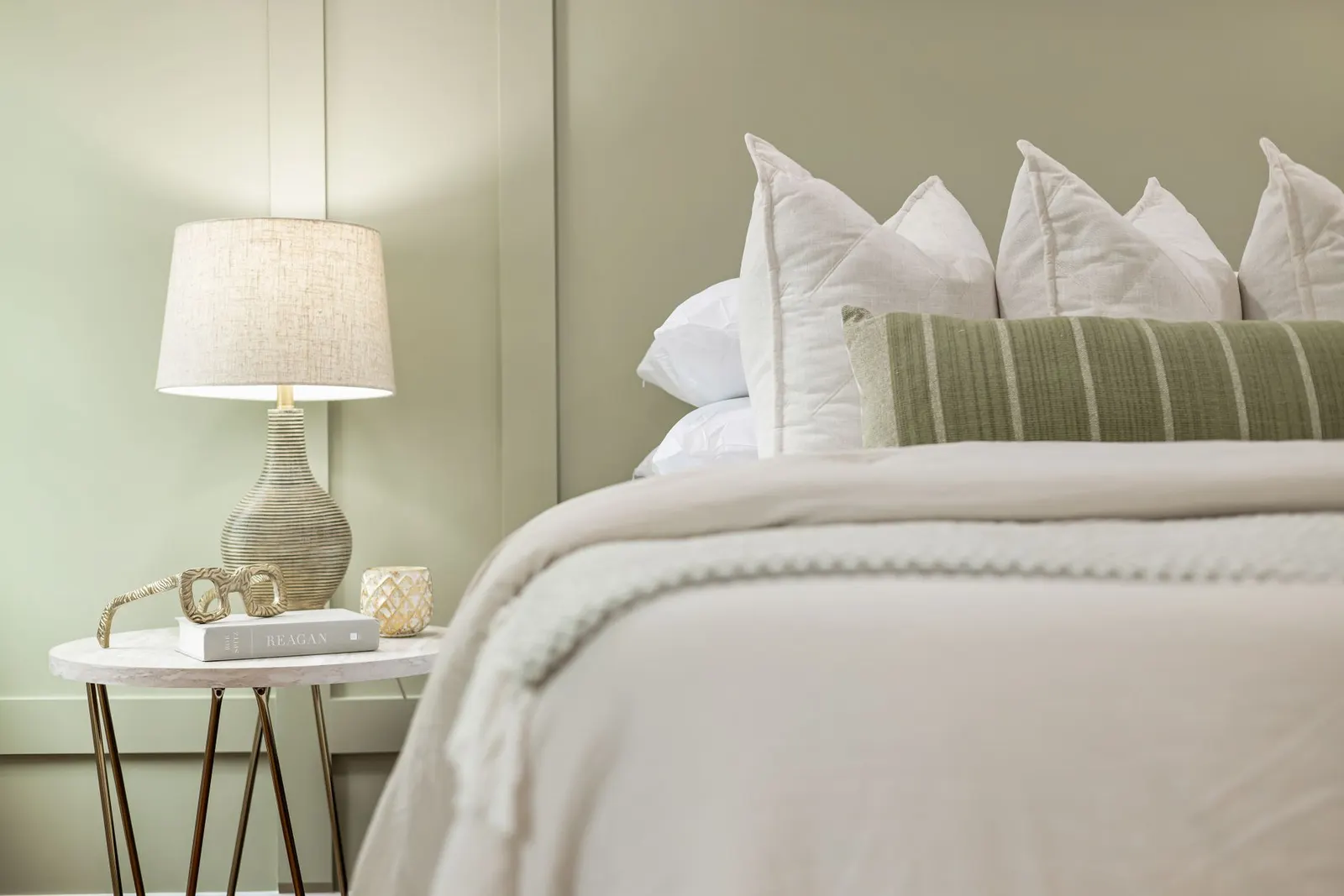
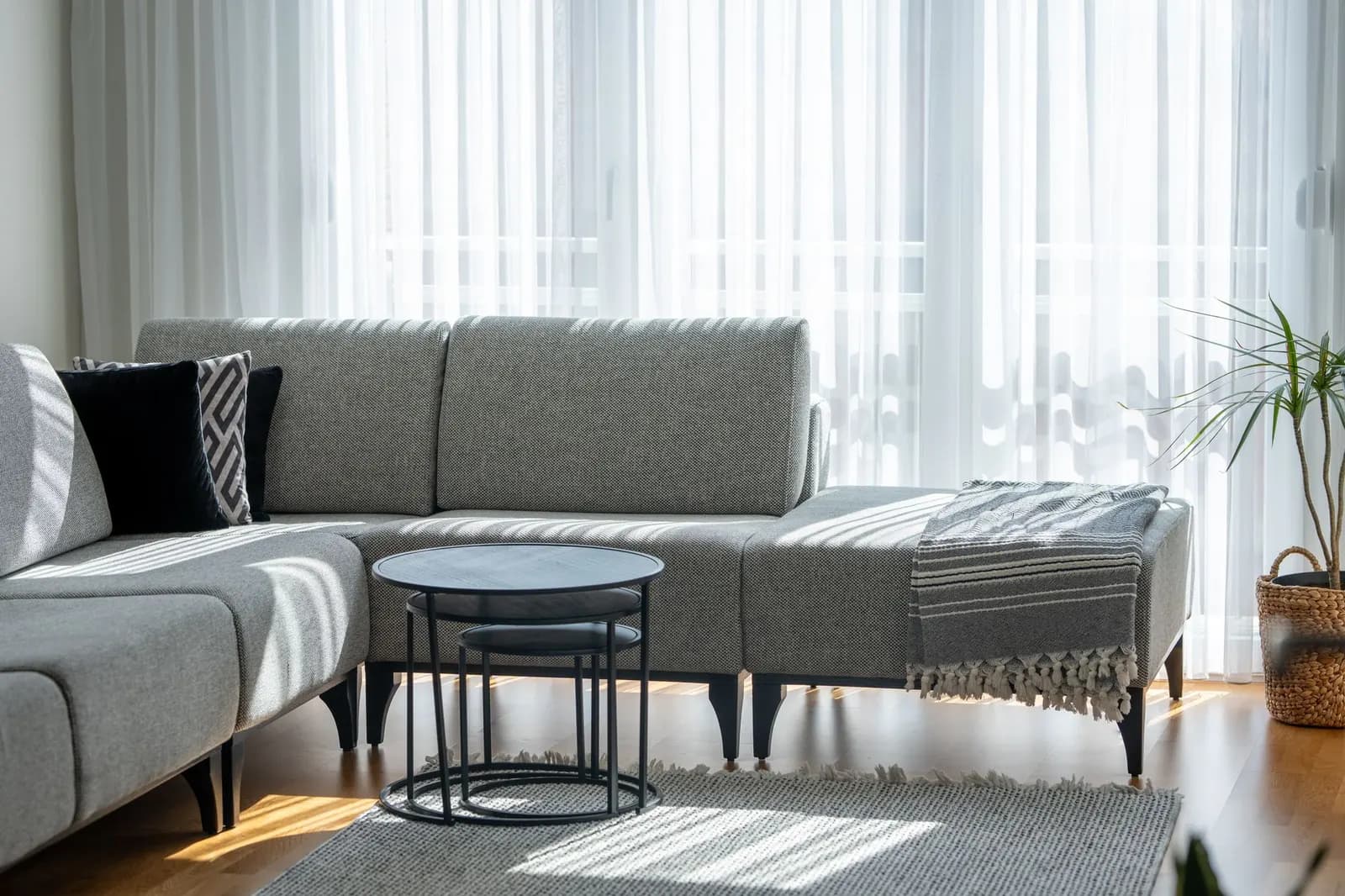
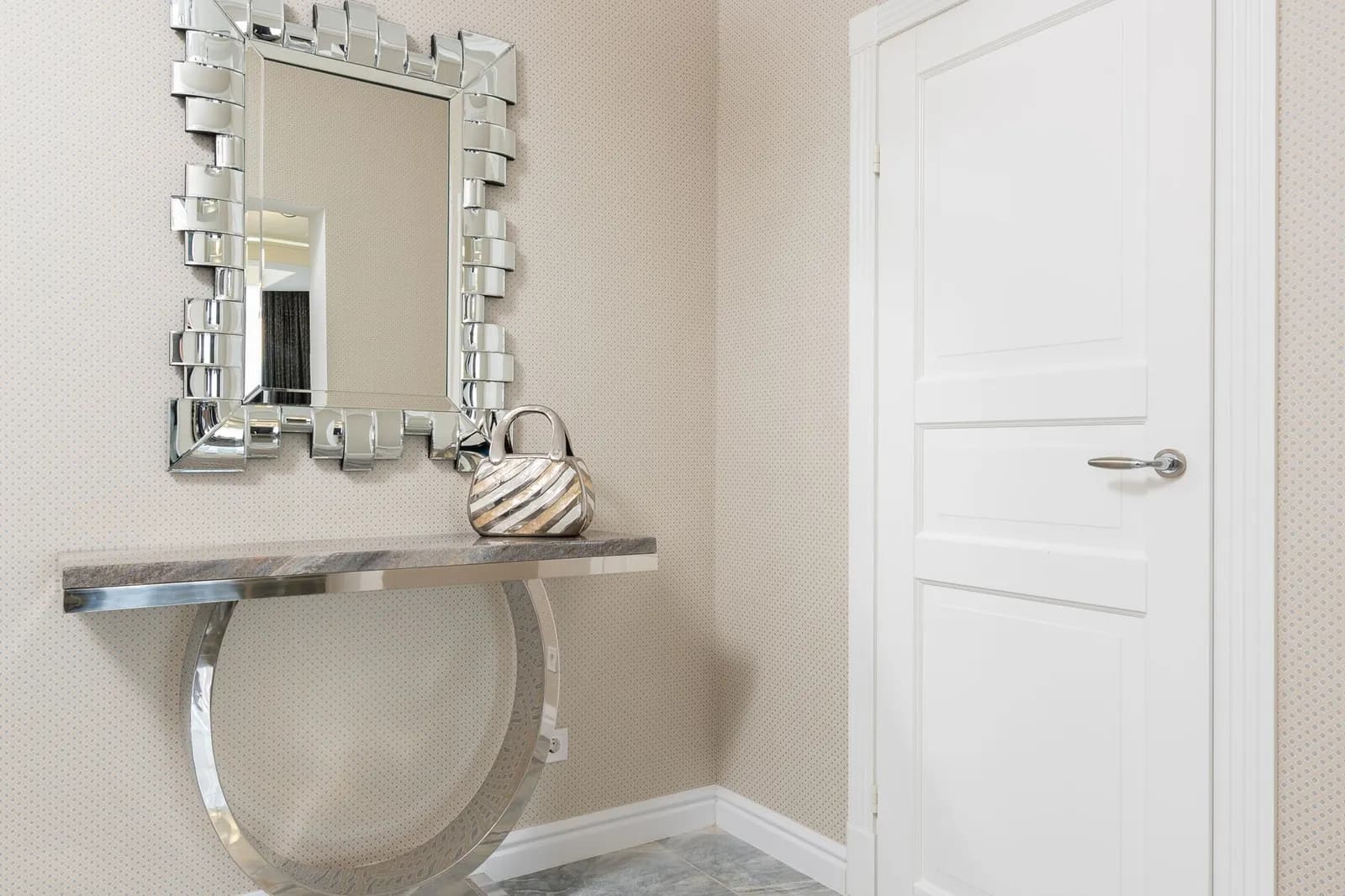
How to Make a Cheap Apartment Look Expensive
How to make a cheap apartment look expensive: 17 renter-safe tricks ranked by impact per dollar, with $100 and $300 plans and October 2026 prices.
Under $250 · Renter-safe · Easy · 1–2 weekendsUpdated
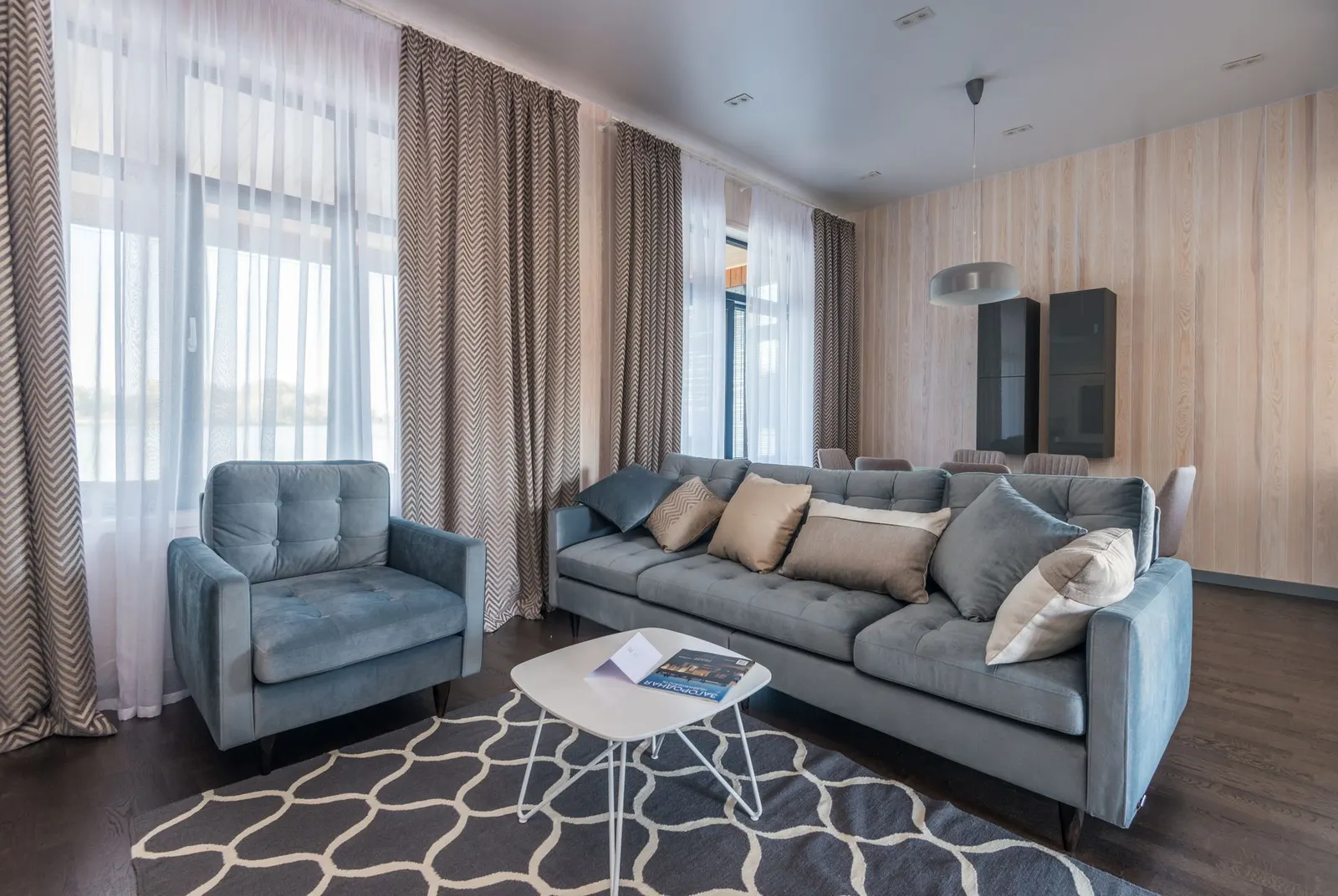
In this post
If you're wondering how to make a cheap apartment look expensive, the answer is mostly about removing the tells, not buying fancy things. Builder-grade apartments look cheap because of a few repeat offenders: cold bulbs, short curtains, a too-small rug, shiny hardware and stuff on every surface.
Fix those and the same sofa, the same walls and the same beige carpet suddenly look intentional. Below are 17 tricks grouped by impact per dollar, each with a cost range and a renter-safe rating. There's a $100 plan and a $300 plan at the end.
This is part of our complete guide to decorating on a budget. If you rent, keep our renter decorating guide open in another tab for the lease basics.
How to Read the Ratings
Each trick lists a typical cost and one of three renter-safe labels:
- Reversible: no damage, nothing to ask about.
- Reversible with care: fine in most rentals, but it can leave marks if you rush the install or removal.
- Ask the landlord: involves holes or changes to fixtures. Check your lease and local tenant resources first.
Tier 1: Almost Free, Biggest Payoff ($0–$30 each)
1. Edit the clutter
Cost: $0. Renter-safe: reversible.
Expensive rooms have empty space in them. Clear every flat surface, then put back only what you use daily plus one to three decorative things per surface. Mail, chargers and toiletries go into lidded boxes, drawers or baskets.
This is the trick that makes every other trick work. A $15 tray of objects looks curated on an empty console and messy on a crowded one.
2. Upgrade every bulb to warm white
Cost: $12–$25 for an 8-pack. Renter-safe: reversible (keep the old bulbs if your lease lists fixtures).
Cool, bluish bulbs make a living room look like an office. ENERGY STAR's bulb guide says lower Kelvin numbers look yellowish and higher numbers look whiter or bluer. It labels 2700K–3000K as warm white or soft white, the standard color of incandescent bulbs, and suggests cooler light for kitchens and work spaces.
Buy ENERGY STAR LED bulbs marked 2700K for lamps and living areas. Read the Kelvin number on the box, not just the words "soft white", because labels vary.
For brightness, shop by lumens: ENERGY STAR lists 800 lumens as the match for an old 60-watt bulb. Separately, the US Department of Energy says LEDs use 75% less energy and last up to 25 to 50 times longer than incandescent bulbs.
3. Turn off the overhead light
Cost: $0–$40 if you need one more lamp. Renter-safe: reversible.
A flush-mount ceiling light flattens a room. Light it with two or three lamps at different heights instead: a floor lamp, a table lamp and something low like a battery LED on a shelf. Our guide to renter lighting without hardwiring covers plug-in sconces and picture lights that need no electrician.
4. Matching hangers
Cost: $15–$30 for 30–50. Renter-safe: reversible.
An open closet or garment rack with a jumble of wire, plastic and dry-cleaner hangers looks chaotic. One color and one style of slim hanger lines clothes up at the same height and looks like a boutique. Slim hangers also save rail space.
5. Use books as decor
Cost: $0–$20. Renter-safe: reversible.
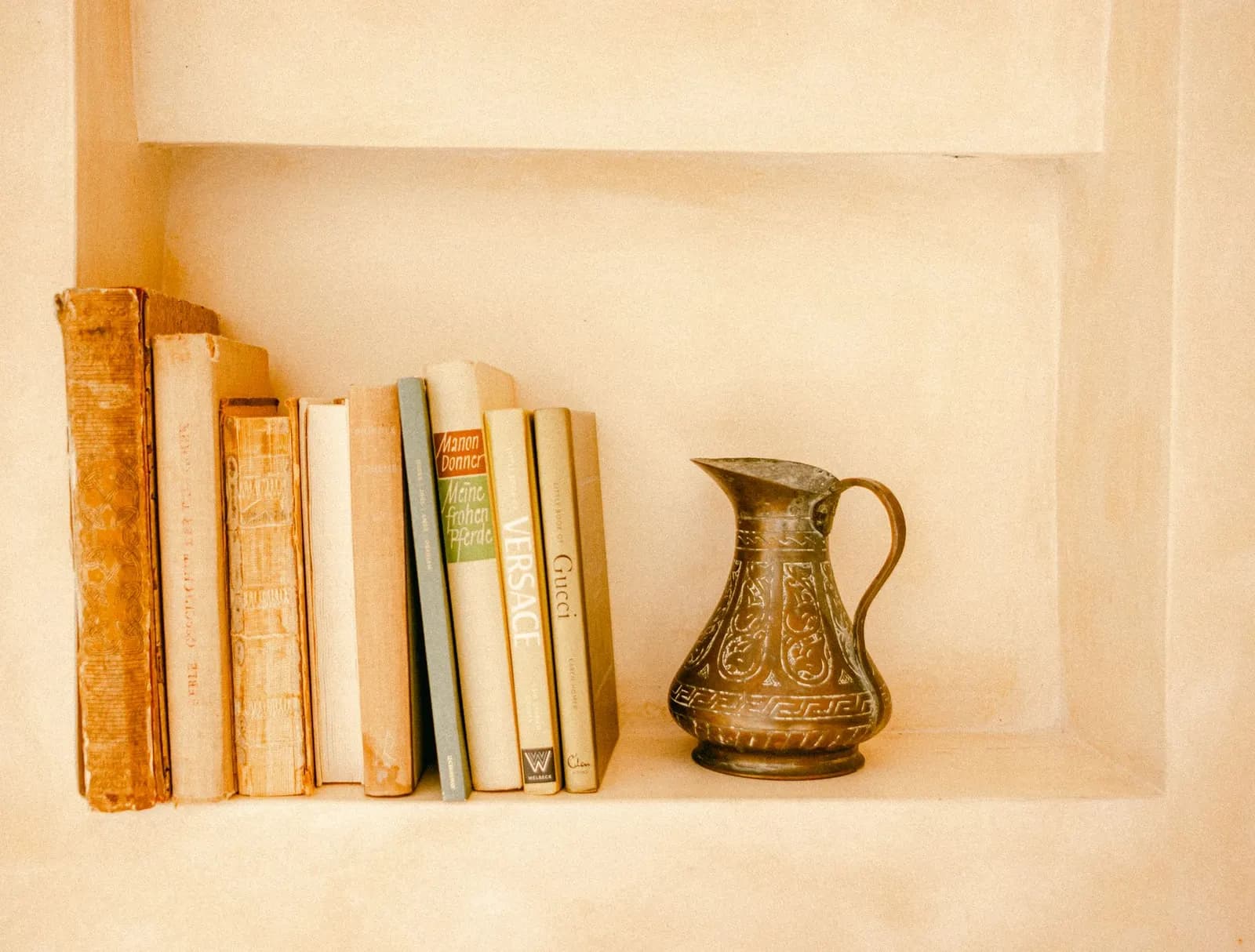
Stack hardcovers horizontally with the dust jackets off, which often reveals plain cloth covers in muted colors. Use stacks as risers under a plant or candle, and mix vertical and horizontal runs on shelves. Thrift stores and library sales are the cheapest source.
6. Hide the cords
Cost: $10–$20. Renter-safe: reversible.
Visible cords tangled behind a TV or nightstand look cheap. Bundle them with clips or a fabric sleeve, run them along the back of furniture legs, and put power strips in a cord-hiding box.
One rule: don't hide cords under the rug. The US Fire Administration says to avoid putting cords under rugs and carpets, across doorways, or where furniture can damage or fray them. USFA also says not to overload power strips, to pick strips with internal overload protection and to replace damaged extension cords right away.
7. Add scent, safely
Cost: $5–$25. Renter-safe: reversible.
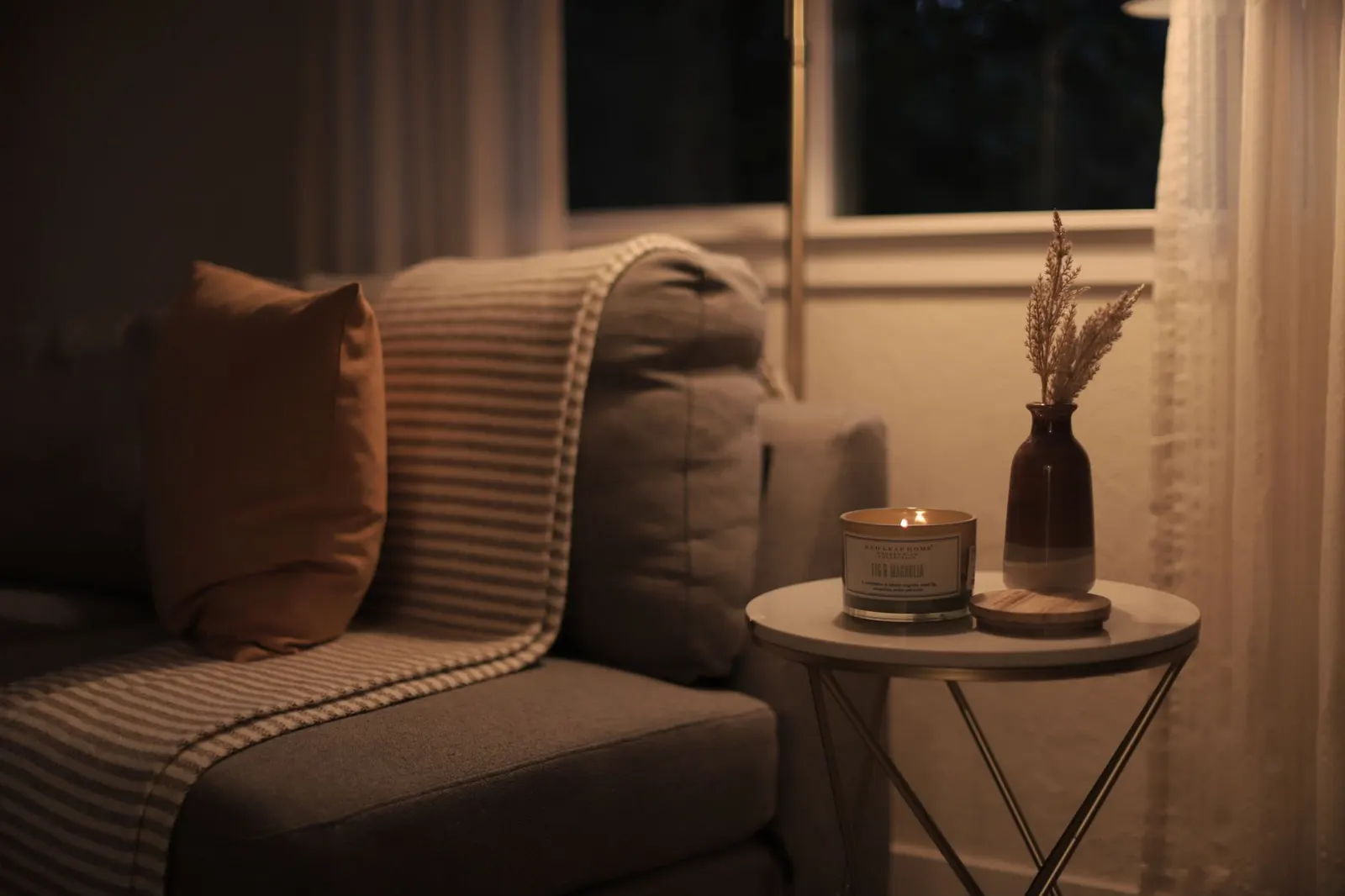
A room that smells good reads as cared for. A reed diffuser, a simmer pot or a candle in one consistent scent family does it.
If you burn candles, follow USFA: keep them at least 12 inches from anything that burns, use stable holders, and blow them out when you leave the room or go to bed. USFA also advises against lit candles in bedrooms, bathrooms and sleeping areas. Battery-operated flameless candles are the safer pick there.
Tier 2: Small Spend, Big Visual Change ($25–$90 each)
8. Hang curtains high and wide
Cost: $40–$90 for a rod and two panels. Renter-safe: ask the landlord if you drill; reversible with a tension rod or no-drill brackets.
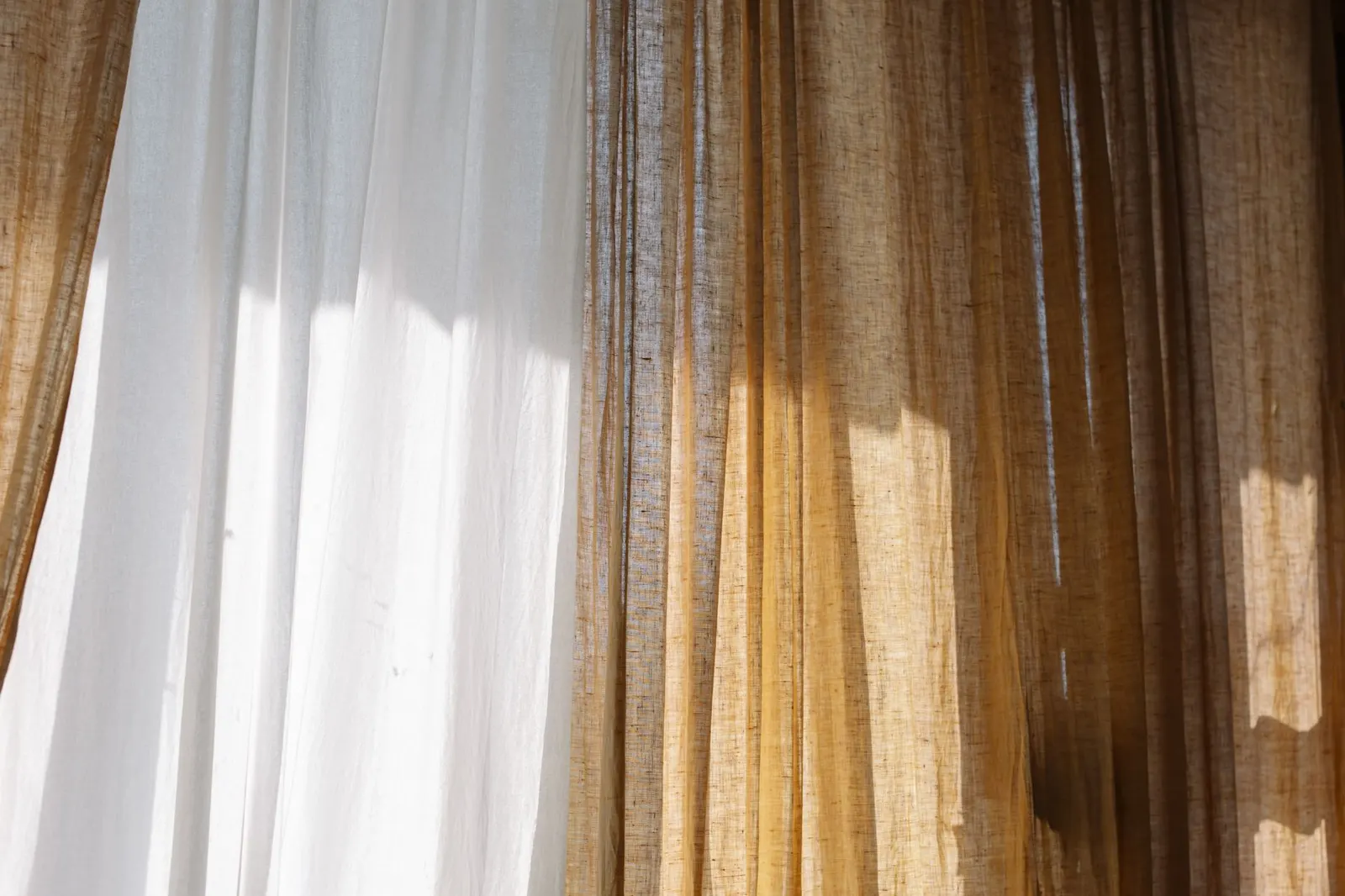
Curtains hung right at the top of the window frame make ceilings look low. Bob Vila's curtain guide suggests mounting the rod 4–6 inches above the frame (higher when the ceiling is close) and extending it 3–6 inches or more past each side, so open panels frame the glass instead of covering it. Panels should end within about half an inch of the floor, with a combined width of 2 to 2.5 times the window.
Buy panels long enough for the new height. Short curtains hung high look worse than short curtains hung low. For other ways to stretch a room visually, see how to make a small room look bigger.
9. Swap builder-grade hardware (and store the originals)
Cost: $25–$60 for 10–15 knobs or pulls. Renter-safe: reversible if you reinstall the originals.
Shiny, thin cabinet knobs are an instant tell. New knobs or pulls in matte black, brushed brass or a warm nickel change the kitchen and bathroom for the price of a dinner out.
Measure the center-to-center distance between screw holes on existing pulls and buy new ones with the same spacing so you never drill. Put every original knob and screw in a zip bag, label it and tape it inside a cabinet. More kitchen ideas are in our rental kitchen makeover under $200.
10. Replace cheap lampshades
Cost: $10–$25 per shade. Renter-safe: reversible.
A lamp base is often fine and the shade is the problem: thin, shiny or slightly crooked. A linen-look drum or pleated shade in white or oatmeal fixes it. Bring the old shade's fitter type and height to the store so the new one sits right.
11. Hang the shower curtain high with an extension rod
Cost: $25–$45. Renter-safe: reversible with a tension rod.
Set a tension rod or a rod with extension pieces a few inches below the ceiling instead of at the standard height. Then buy a curtain labeled "extra long" so it still reaches near the tub ledge. Measure from rod to tub before you buy.
The taller line makes a dated tub surround look like a hotel bath. A plain white, linen-look or waffle-weave fabric curtain beats a printed one. See the full plan in our rental bathroom makeover under $100.
12. Pick one metal finish and repeat it
Cost: $0–$30. Renter-safe: reversible.
Silver faucet, gold frames, black lamp and bronze curtain rod read as random. Choose one main metal (plus one accent at most) and repeat it in hardware, frames, lamp bases and the curtain rod. Coordinated metals make thrifted pieces look like a set.
13. Add real plants
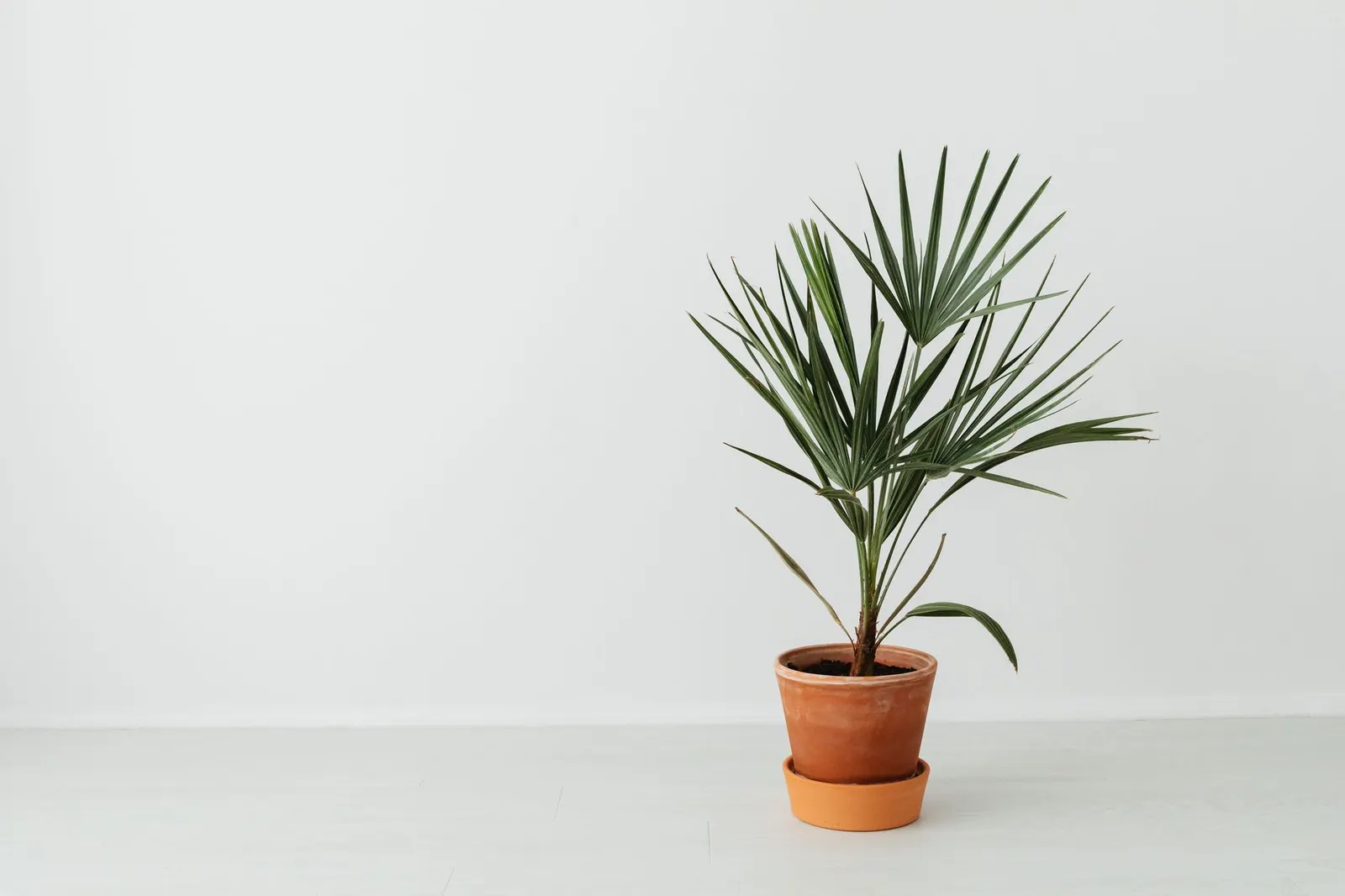
Cost: $15–$40 for one medium plant and plain pot. Renter-safe: reversible.
One medium or large real plant does more than five small ones. Choose a plain pot in terracotta, white or matte black, and put a saucer under it so water never touches the floor.
If you have cats or dogs, check the plant name on the ASPCA's toxic and non-toxic plant list before you buy. ASPCA notes that any plant material may cause stomach upset in pets.
Tier 3: Bigger Spend, Room-Changing ($75–$220 each)
14. Buy a bigger rug
Cost: $100–$220 for an 8 x 10 ft flat-weave or jute blend. Renter-safe: reversible.
A small rug floating in the middle of the room is a clear budget tell. Ruggable's size guide says to fit the front legs of your seating on the rug, or size down so no legs touch it.
A larger, cheaper flat-weave usually beats a smaller, fancier rug. Use a rug pad so it doesn't slide.
15. Go big with one piece of art or a mirror
Cost: $25–$120. Renter-safe: reversible if leaned or hung on removable strips.
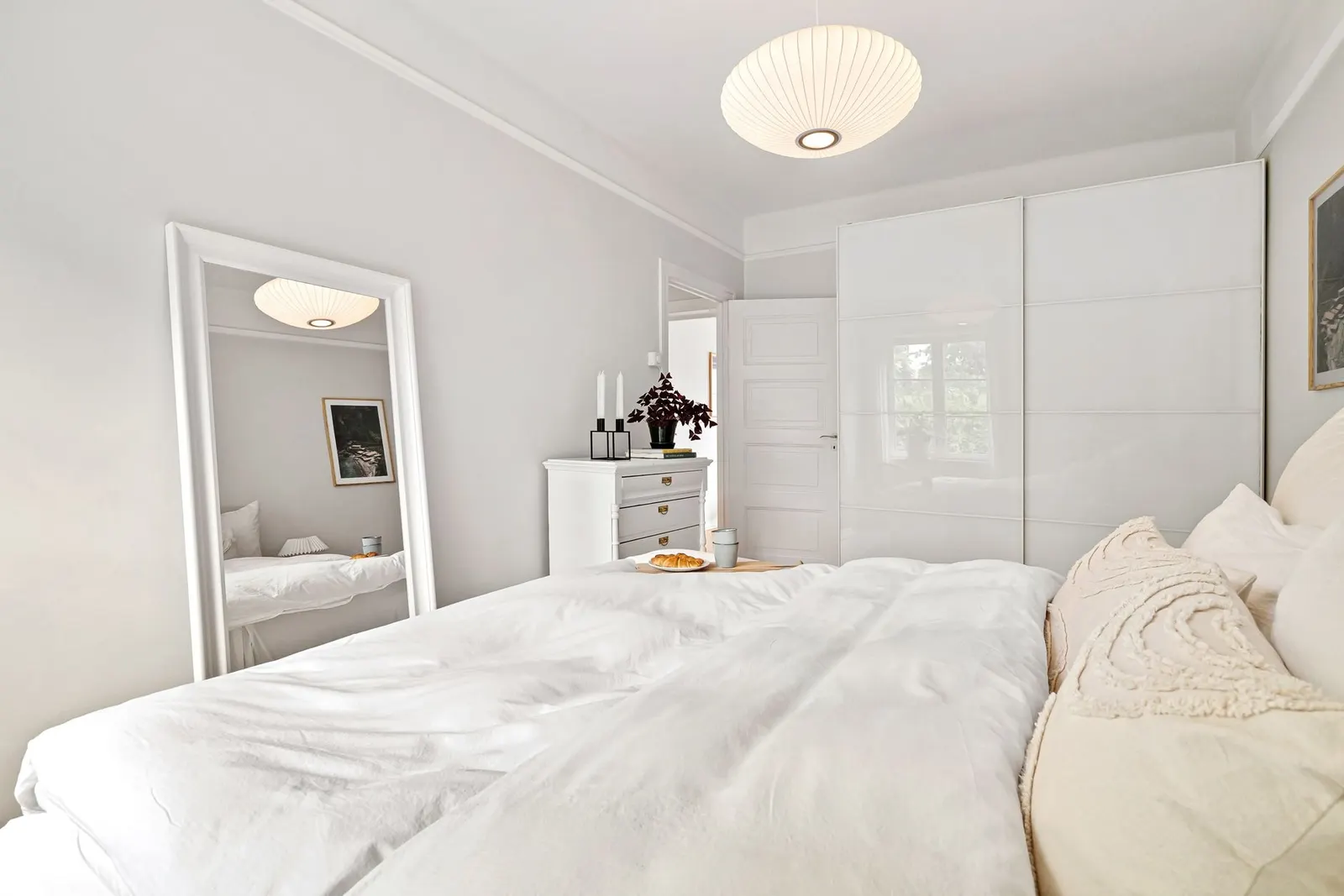
Fill the wall above the sofa or bed with one large piece instead of several small ones. A thrifted oversized mirror, a big framed print or even a stretched canvas you paint yourself all work. Leaning a large mirror on a dresser or the floor avoids holes; keep it stable and out of walkways.
If you hang art on removable strips, use only products whose package rating covers the full weight. Command publishes a weight-limit guide for each product. Our Dollar Tree decor hacks that look expensive show how to make cheap frames look matched.
16. Switch to natural-fiber textiles
Cost: $20–$80 for pillow covers and a throw. Renter-safe: reversible.
Shiny polyester throws and pillow covers look cheap in photos and in person. Cotton, linen, wool blends and jute have matte texture that reads expensive. Start with pillow covers, which cost less than new inserts, then a throw and a duvet cover.
17. Peel-and-stick and contact paper, done carefully
Cost: $20–$80 per project. Renter-safe: reversible with care.
Peel-and-stick wallpaper, backsplash tiles and contact paper can cover dated surfaces. They also fail in predictable ways, so plan around them:
- Fresh paint: York Wallcoverings says to let newly painted walls cure at least 4 weeks before applying its peel-and-stick.
- Texture: York says its products won't stick to textured surfaces. Orange-peel and knockdown walls are a poor match.
- Humidity: edges lift in steamy bathrooms. EPA advises running a fan or opening a window when you shower, which helps any finish last.
- Heat: contact paper on counters isn't made for hot pans. Use trivets.
- Up close: the cheaper vinyl patterns look printed at arm's length. Order a sample first.
Test a small hidden patch first and peel it off after a week to check it comes off clean.
Your Budget Plans
The $100 plan covers bulbs, hangers, cord control, the shower curtain trick and books. Those alone change how every room photographs.
Budget breakdown: The $100 plan: highest impact per dollar
$70–$140
| Item | Price range | Where to buy |
|---|---|---|
| Warm white LED bulbs, 2700K, ENERGY STAR (8-pack) | $12–$25 | Home Depot, Lowe's, Walmart |
| Matching slim velvet or wood hangers (30–50 pack) | $15–$30 | Target, Walmart, Amazon |
| Cord clips, cable sleeve and a cord-hiding box | $10–$20 | Amazon, Walmart, Target |
| Tension or extension shower rod plus extra-long curtain | $25–$45 | Target, Walmart, Amazon |
| Thrifted or discount hardcover books and a tray | $8–$20 | Thrift stores, library sales, HomeGoods |
| Total | $70–$140 |
Prices are approximate as of October 2026 and vary by store and region. Prices are approximate as of October 2026 and vary by store, region and sale cycle.
The $300 plan adds the big moves: high curtains, a bigger rug, new hardware, lampshades, a large mirror and a real plant.
Budget breakdown: The $300 plan: everything above plus the big moves
$295–$720
| Item | Price range | Where to buy |
|---|---|---|
| Everything in the $100 plan | $70–$140 | See table above |
| Extendable curtain rod plus two floor-length linen-look panels | $40–$90 | IKEA, Target, Walmart |
| Bigger area rug, 8 x 10 ft flat-weave or jute blend | $100–$220 | IKEA, Walmart, Rugs USA, Wayfair |
| Cabinet knobs or pulls (10–15 pieces) | $25–$60 | Home Depot, Lowe's, Amazon |
| Two drum or pleated lampshades | $20–$50 | Target, IKEA, HomeGoods |
| Large floor or leaning mirror (thrifted or new) | $25–$120 | Facebook Marketplace, thrift stores, IKEA |
| One medium-size real plant in a plain pot | $15–$40 | Home Depot, Lowe's, IKEA, local nursery |
| Total | $295–$720 |
Prices are approximate as of October 2026 and vary by store and region. Prices are approximate as of October 2026 and vary by store, region and sale cycle.
Splurge vs. Save
| Item | Save | Splurge |
|---|---|---|
| Area rug 8 x 10 ft | Flat-weave or jute blend, $100–$220 (IKEA, Walmart) | Wool blend, $400–$900 (West Elm, Pottery Barn) |
| Curtains | Linen-look polyester panels, $15–$35 each (IKEA, Target) | Real linen panels, $60–$150 each (Pottery Barn, Parachute) |
| Large mirror | Thrifted or Marketplace, $25–$80 | New arched floor mirror, $150–$350 (Target, West Elm) |
Common Mistakes
- Buying more small decor. Small objects multiply clutter. Spend on one bigger piece instead.
- Mixing bulb colors. One 5000K bulb in a lamp next to a 2700K bulb looks wrong. Match them room by room.
- High rod, short curtains. Measure from rod to floor before you buy panels.
- Too many metals and colors. Two or three colors and one main metal is enough.
- Throwing away originals. You need the old knobs, bulbs and shower rod for move-out day.
Where to Start This Weekend
Do Tier 1 in one afternoon: clear surfaces, swap bulbs, hide cords and match hangers. Take a photo of each room before and after. The photos will show you which room needs Tier 2 or 3 first, and you'll spend the rest of the budget where it shows.
Frequently asked questions
How can I make my apartment look expensive on a budget?
Start with the cheapest high-impact fixes: clear surfaces, switch to warm 2700K bulbs, hang curtains higher and wider than the window, and buy a rug big enough for the furniture to sit on. Then add one large piece of art or a mirror instead of many small ones. Those five moves can cost under $150.
What makes an apartment look cheap?
Usually it's small things repeated: harsh cool-white bulbs, curtains hung right at the window frame, a rug that floats in the middle of the room, shiny builder-grade hardware, visible cords, and lots of small decor on every surface. Fix those and the same furniture looks more deliberate.
How do I make a small apartment look expensive?
Use fewer, larger pieces. One big rug, one oversized mirror and floor-length curtains hung near the ceiling make a small room look taller and calmer. Keep a tight palette of two or three colors and one metal finish, and store the visual clutter behind doors or in baskets.
What color light bulb looks the most expensive?
Warm white or soft white bulbs, around 2700K to 3000K, look closest to the warm glow of old incandescent bulbs, according to ENERGY STAR's bulb guide. The same guide points cooler 3500K to 4100K bulbs at kitchens and work spaces; in a living room they can feel like an office.
Can I change cabinet hardware in a rental?
Usually, if you put the originals back before you move out. Knobs and pulls come off with a screwdriver. Buy new ones with the same hole spacing so you don't drill, keep the old hardware in a labeled bag, and check your lease and ask your landlord if you're unsure.
By [Author Name]. Prices are approximate as of October 2026. How we work.
Sources (11)
- Bulb Purchasing Guide (Light Bulb Purchasing Checklist), ENERGY STAR (US EPA) (accessed 2026-10-23)
- How High to Hang Curtains, Bob Vila (2021-02-16)
- Rug Size Guide, Ruggable (accessed 2026-10-23)
- Addressing Misinformation on DOE Appliance Standards, US Department of Energy (2023-05-05)
- Candle Fire Safety, US Fire Administration (FEMA) (2023-04-01)
- Appliance and Electrical Fire Safety, US Fire Administration (FEMA) (accessed 2026-10-23)
- Pictograph: Avoid Putting Cords Under Rugs and Carpets, US Fire Administration (FEMA) (accessed 2026-10-23)
- How to Install Peel and Stick Wallpaper, York Wallcoverings (accessed 2026-10-23)
- A Brief Guide to Mold, Moisture and Your Home, US EPA (accessed 2026-10-23)
- Toxic and Non-Toxic Plant List, ASPCA Animal Poison Control Center (accessed 2026-10-23)
- Product Weight Limits Guide, Command (3M) (accessed 2026-10-22)
Image credits: Photo: Max Vakhtbovych · Pexels · Pexels License; Photo: Denis Gvozdov · Pexels · Pexels License; Photo: cottonbro studio · Pexels · Pexels License; Photo: https://kaboompics.com/ · Pexels · Pexels License; Photo: Lisa Anna · Pexels · Pexels License; Photo: Agung Pandit Wiguna · Pexels · Pexels License.